The First Text Message Ever: A Short History of SMS
Today we send billions of messages every day without thinking about it. But the very first text message was sent from a computer, to a phone that couldn't even reply. Here's the short, surprising story of SMS.
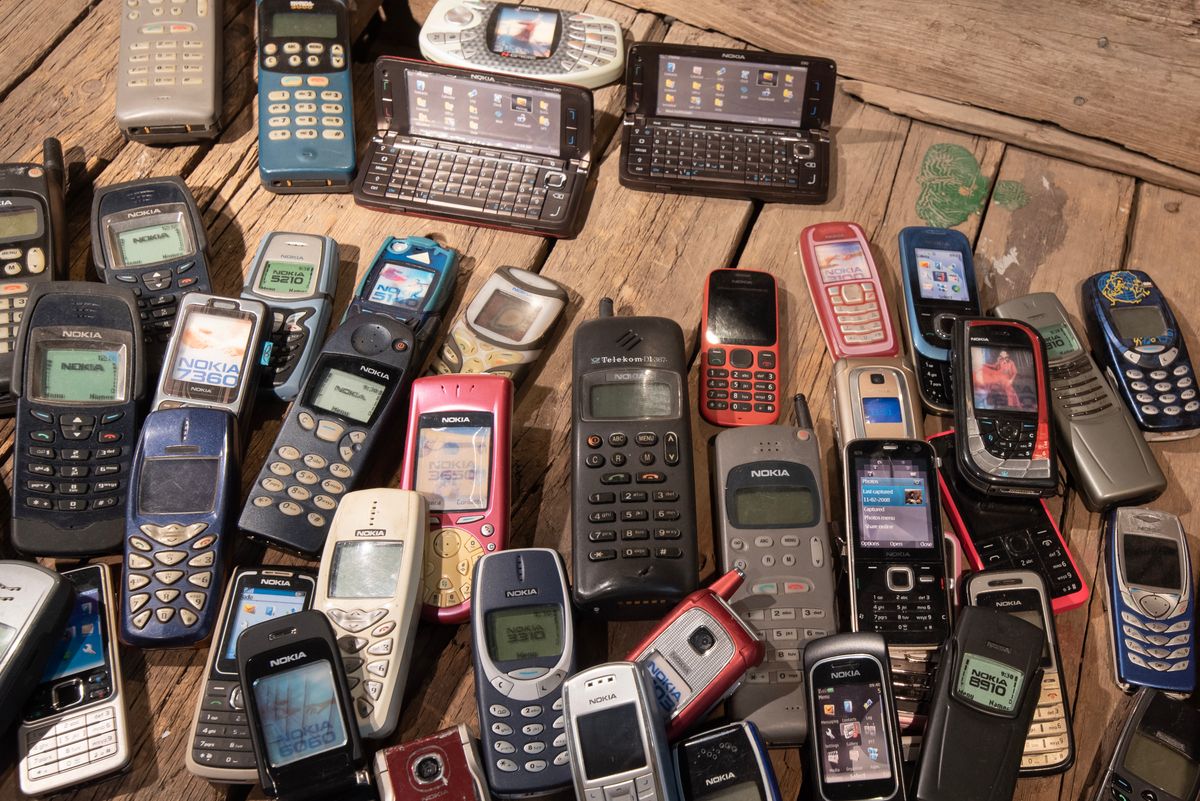
- First SMS: 3 December 1992, UK
- Text: "Merry Christmas"
- Sent by: Neil Papworth, from a computer
- Received by: Richard Jarvis, Vodafone
- Limit: 160 characters (70 with emoji or non-Latin letters)
The idea: a little extra space in the phone network
In the mid-1980s, engineers in Europe were building GSM, the digital mobile standard most of the world later used. German engineer Friedhelm Hillebrand and French engineer Bernard Ghillebaert pushed the idea of sending short text messages over the network's signalling channel — the part normally used to set up calls.
There was only a little space. According to a story Hillebrand often told, he typed ordinary sentences and questions on a typewriter and counted the characters. Most fitted in about 160 — so 160 became the limit we still have today.
December 3, 1992: "Merry Christmas"
The first text message was sent on 3 December 1992 in the UK. Neil Papworth, a young engineer working on Vodafone's messaging system, typed "Merry Christmas" on a computer and sent it to the phone of Vodafone director Richard Jarvis, who was at a Christmas party.
Jarvis could read the message — but he couldn't reply. Phones at the time had no way to type and send texts.
The 1990s: texting goes mainstream
- Phones learn to send: handset makers (Nokia was one of the first) added the ability to write and send SMS from the phone itself.
- Messaging between networks: at first you could often only text people on the same network. Once operators connected their systems, texting exploded.
- Predictive text: typing on a keypad was slow (press "7" four times for "s"!). T9 predictive text made it much faster.

SMS was cheap, quick, private and worked on every phone. It even created its own language — "gr8", "brb", "lol" — because people wanted to fit as much as possible into 160 characters and avoid paying for a second message. (Why 160? See SMS character limit explained.)
How SMS grew in India
Mobile service in India began in the mid-1990s, and texting really took off in the 2000s as call rates fell and cheap keypad phones spread. Many people remember SMS packs that gave hundreds of messages a day, and forwarding jokes, festival wishes and cricket scores to everyone in their contacts.
Over time, SMS in India changed from chatting to something more serious:
- Bank and payment alerts: every debit, credit and card payment triggers an SMS, so you notice fraud quickly.
- OTPs: one-time passwords for banking, UPI set-up, shopping and Aadhaar-linked services usually arrive by SMS.
- DND rules: promotional messages became so common that TRAI created the Do Not Disturb registry. You can block them by sending a message to 1909. See how to stop promotional SMS in India.
- Registered senders: businesses now have to register their sender names and message templates with operators, which is why genuine messages come from short headers like a bank's name rather than a random number.
| Period | What happened |
|---|---|
| Mid-1980s | SMS is planned as part of GSM |
| 1992 | First text: "Merry Christmas" |
| Mid-1990s | Phones can send texts; mobile service starts in India |
| 2000s | Keypad phones and SMS packs make texting huge in India |
| 2010s | Chat apps take over personal messages; SMS becomes the home of OTPs and alerts |
| 2020s | RCS brings chat features to the default messaging app |
A famous message sold as an NFT
In December 2021, Vodafone sold the original "Merry Christmas" message as an NFT at an auction in Paris for about €107,000, and said the money would go to charity for refugees.
What came after SMS
- MMS added photos and longer messages.
- Chat apps like WhatsApp and Telegram moved messaging to the internet.
- RCS is the modern upgrade of SMS: typing indicators, read receipts, high-quality photos and group chats inside your default messaging app. Google Messages uses it, and Apple added RCS to iPhones with iOS 18 in 2024.
Why SMS still matters today
Most friends and family chats have moved to WhatsApp, but SMS has one big advantage: it needs no app and no internet. It works on a basic phone, on a weak 2G signal and when your data pack has run out. That is why banks and government services still trust it for codes and alerts.
| SMS | RCS | ||
|---|---|---|---|
| Needs internet | No | Yes | Yes (falls back to SMS) |
| Works on keypad phones | Yes | Mostly no | No |
| Photos and read receipts | No | Yes | Yes |
| Tied to your phone number | Yes | Yes | Yes |
Because people trust SMS, scammers copy it. Never share an OTP with anyone who calls or messages you, and don't tap links in texts about blocked accounts, unpaid bills or prizes.
SMS began as a small idea inside GSM, the first text was "Merry Christmas" in 1992, and it grew into one of the most-used technologies ever. Even today, banks, deliveries and OTP login codes still rely on it, because it works on every phone without internet.


Comments
Post a Comment